-


Embodied AI for scalable autonomous driving
Wayve is building autonomy technology with embodied intelligence designed to scale in complex, urban environments. The company pioneers a new approach to autonomous driving that leverages end-to-end machine learning, eliminating the need for expensive and complex robotic stacks that rely on highly detailed maps and programmed rules. Wayve’s technology can be applied to advanced driver-assistance systems (ADAS) today and is designed to extend to full autonomy over time. Co-founders Alex Kendall and Amar Shah started the company to enable vehicles to operate in any environment, including new places, without explicit programming.
Both graduates of the University of Cambridge, Amar received a PhD in machine learning in 2016, while Alex followed a year later with a PhD in deep learning, computer vision, and robotics. They decided to pool their expertise and launched Wayve in 2017, focusing on building the core autonomy “brain” rather than operating their own vehicle fleet.
Since Fly invested in Wayve’s Seed Round in 2017, the company has raised a total in excess of USD 2B including its latest Series D at a USD 8.6B valuation, including investments from Balderton, Eclipse, Baillie Gifford, Compound, Softbank, Nvidia, Microsoft and Uber, as well as prominent business angels including Richard Branson, Yann LeCun, and Ilya Sutskever.
-

AI-Industrial Systems for Materials and Infrastructure
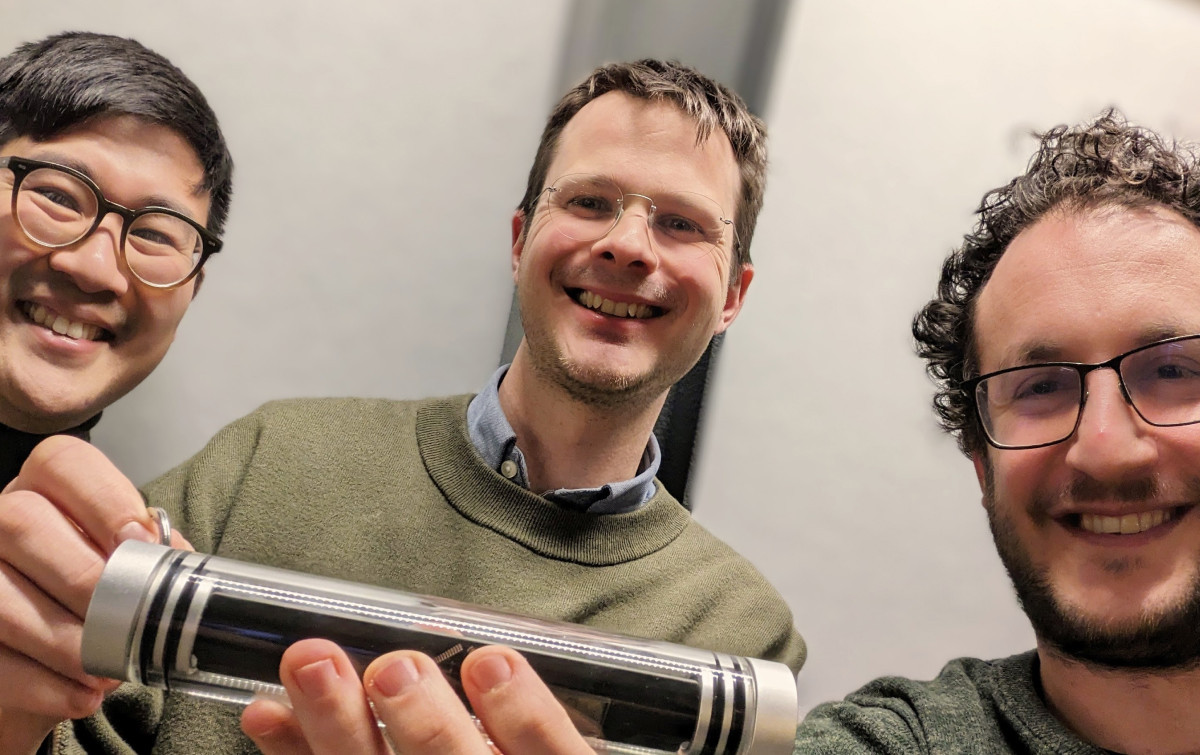
Orbital is building an AI-industrial company with a foundation model for materials design at its core. The platform is used to discover and validate novel compounds and is now being applied to next-generation data center infrastructure. In 2025, Orbital began extending its scope into modular data centers, combining proprietary materials, compute infrastructure, and vertical integration to deliver energy-efficient capacity at scale, including containerized designs optimized for next-generation chips and liquid cooling.
Co-founders Jonathan Godwin, James Gin, and Daniel Miodovnik created Orbital Materials in 2022 to discover breakthrough substances that provide the foundation for next-generation industrial systems.
Jonathan spent four years at DeepMind as a research engineer, where he led work on AI-driven materials design and published in journals including Nature. James holds degrees in Machine Learning from University College London and Physics from University of Oxford. As co-founder of Datasine, he applied his expertise in large datasets and modeling before the company was acquired by Shutterstock. Daniel was previously Co-Founder of Social Finance Digital Labs and is currently an advisor to UNESCO’s center on AI policy.
Since Fly invested in Orbital’s Pre-Seed Round in 2022, the company has raised a total in excess of USD 66M across its Series A and B, including investments from Compound, Radical, Nvidia and Plural.
-

The AI-Native Git Client
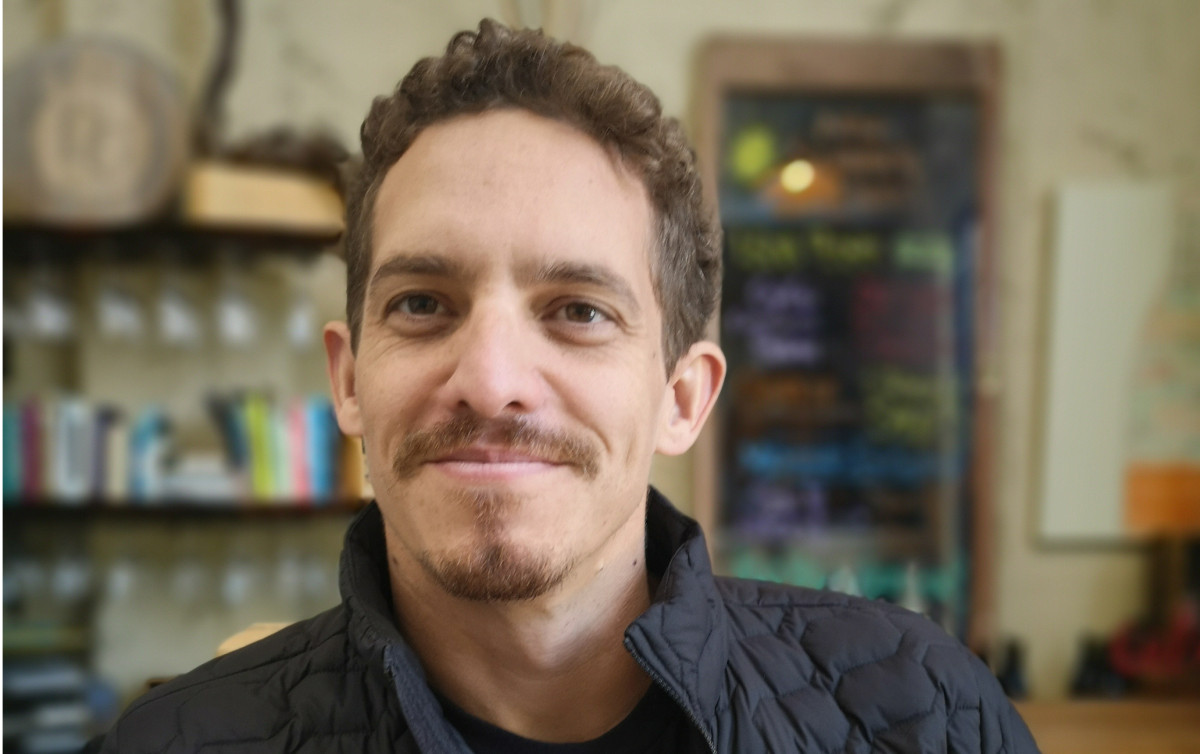
GitButler is building a new, modern source code management client designed to bring the local side of software development into the AI era. While Git has become the de facto standard for version control, its client architecture was built for a different generation of developers and has changed little in decades. GitButler aims to rethink how developers work with Git by introducing an intelligent, context-aware assistant that continuously learns and adapts to individuals and teams.
Kiril Videlov, Anne Leuschner, and Scott Chacon co-founded the company in early 2023 to modernize the developer experience and reinvent how developers interact with source code locally.
Scott previously co-founded GitHub, the Git collaboration platform acquired by Microsoft for USD 7.5B, and later co-founded language-learning service Chatterbug. Anne founded Delinero, a German e-commerce food company acquired by Bertelsmann (G&J), and later joined Chatterbug. Kiril previously co-founded Sturdy, a Y Combinator company that developed a code management system and later became Codeball.
With more than 100 million developers globally using GitHub, GitButler is targeting one of the largest existing developer ecosystems by rethinking the Git client for a new era of AI-native software development.
Fly invested in GitButler’s Pre-Seed round in 2023. Since then, the company has raised its Series A.
-

The Safety Layer for AI Applications
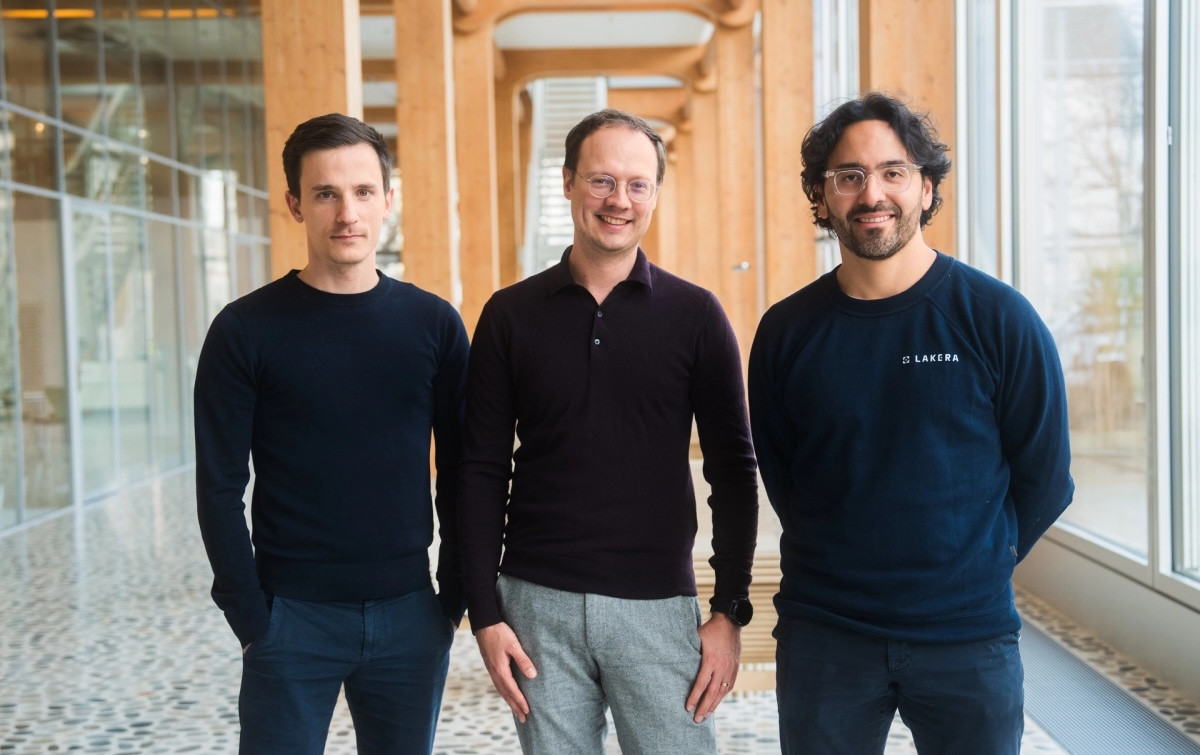
Lakera builds the safety layer that enables fail-safe and scalable AI applications. Founded in 2021, Lakera focuses on protecting and testing AI systems to address vulnerabilities such as prompt injections, data leakage, and unsafe or unintended outputs.
In July 2024, Lakera raised USD 20 million in a Series A funding round led by Atomico, with participation from Citi Ventures and Dropbox Ventures. In September 2025, Check Point Software Technologies acquired Lakera for USD 300M to strengthen its AI-native enterprise security offering.
Lakera also developed “Gandalf,” an AI educational platform and large-scale AI red-team environment used by more than 250,000 participants, including organizations such as Microsoft. Gandalf contributes to Lakera’s continuously evolving threat intelligence by generating real-world adversarial data.
-

AI-Native Intelligence for Global Debt Markets
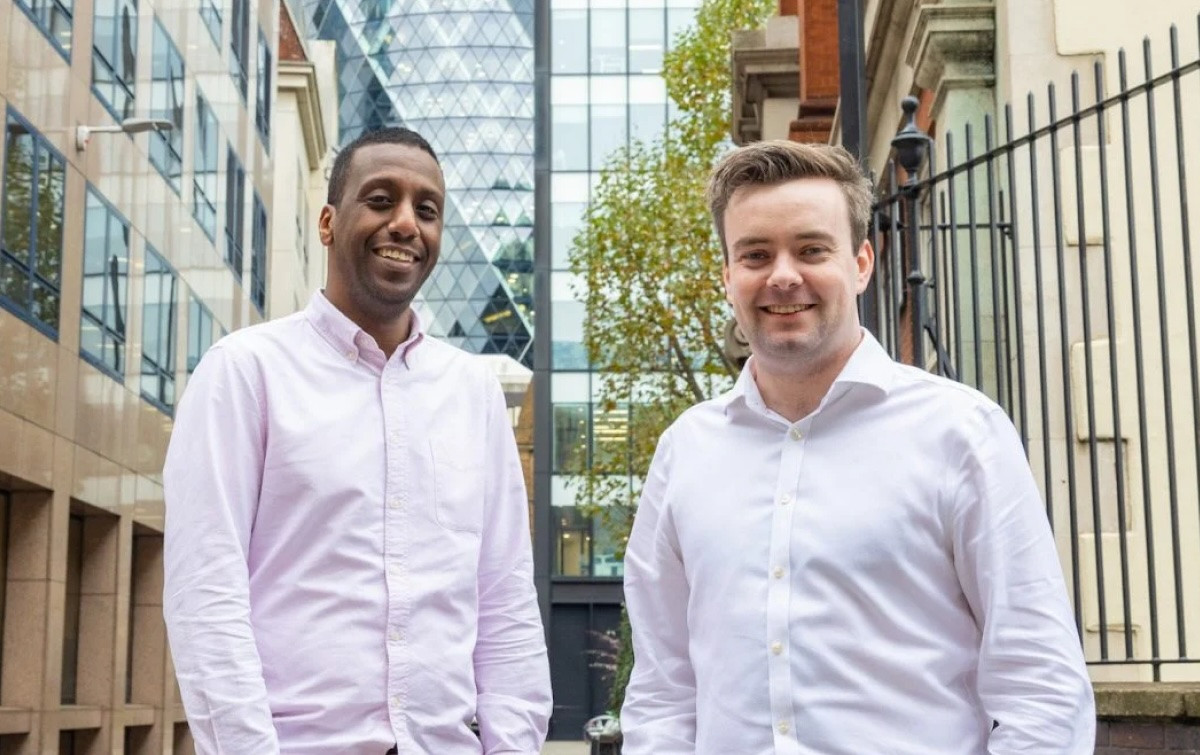
9fin is an AI-native intelligence platform for global debt markets, founded in 2016 by Steven Hunter and Hussam El-Sheikh. The company uses AI to extract, structure, and analyze non-public credit data from unstructured sources such as deal documents, covenants, and issuer disclosures. By embedding AI directly into credit research and investment workflows, 9fin enables faster, higher-quality decision-making for asset managers, banks, hedge funds, and law firms, while building a growing proprietary data moat.
The corporate bond market is opaque and historically underserved by technology compared to equities, despite its scale and large number of participants (>9,000 fixed income firms in the EU alone). Using machine learning, 9fin extracts and analyzes corporate bond offering data and combines it with news and issuer performance data to provide investors with a comprehensive, real-time view of debt markets. At the time of Fly’s initial investment, the product focused on automating large parts of analysts’ workflows for clients such as BlackRock and Goldman Sachs.
In December 2024, 9fin raised USD 50 million in a Series B led by Highland Europe to further expand its engineering capabilities and U.S. presence. As of January 2025, the company employs nearly 250 people across offices in London and New York City, and its platform is used by nine of the top ten investment banks and four of the top six law firms in debt capital markets.